3 Comparative Angles to Sharpen Your Cow Lighting Decisions
Introduction: A Barn, a Meter, and a Big Question
I once walked into a dimly lit barn at dawn and felt like I’d stepped into the past — dusty, slow, and unsure. Farmers were measuring hours and yields, and I watched data pile up: a 12% drop in milk output on poorly lit nights, dozens of restless cows under inconsistent spectra. Cow lighting shows up in that second sentence because, honestly, it changes how animals behave and how a whole farm hums. (I still remember the flicker of a bad fixture — annoying, right?) Given these numbers and scenes, we have to ask: what actually makes one lighting setup better than another for animal welfare and production? I’m here to take that messy set of facts and make it usable. Let’s move from the barn doorway into the nuts and bolts — and see what really matters next.
Part 2 — Why Old Fixes Fail: Hidden Pain Points in Cattle Lighting
cattle lighting systems often get sold as simple replacements: brighter bulbs, a new timer, job done. I’ve seen that promise fall apart in the field. The first problem is misaligned photoperiod control — farmers buy timers that don’t match animals’ circadian needs, so cows get confused and stress rises. Second, fixtures with poor LED drivers or low-quality power converters deliver uneven lux levels across the pen, so you get hotspots and dark corners. Those hotspots stress animals and skew behavior. Third, retrofits that ignore heat dissipation or the barn’s airflow create maintenance traps; bulbs fail faster, and replacements eat into the budget. Look, it’s simpler than you think: the tech must match biology, not just fill space. I’ve watched farms invest tens of thousands into "upgrades" that left cows calmer in name only—funny how that works, right?
So what do farmers actually feel?
They complain about more than light: feed intake dips, odd milking rhythms, and lighting controls that stop mid-cycle. Those are hidden pains you don’t see in glossy specs. From a technical viewpoint, integration is the real issue — sensors and edge computing nodes often don’t communicate with existing farm controllers, so automation fails. We need a mindset shift: treat lighting as part of the animal-management system, not a stand-alone gadget. I’m biased here — I think humane design pays back in yield and peace of mind.
Part 3 — Looking Forward: Better Principles and Metrics for Cattle Lighting
Now let’s look ahead. I prefer a principled approach over hype: start with photobiology, then add robust electronics. New technology principles mean matching spectral design to behavior (cool white for activity, warm for rest), using reliable LED drivers, and deploying sensors that measure lux and color temperature in real time. When these elements work together, cattle lighting becomes proactive: it nudges behavior, supports sleep cycles, and reduces stress-driven health issues. I’ve seen pilot barns where smart schedules synced to milking times improved throughput — not magic, but careful alignment of tech and routines.
What’s Next for farms?
Case studies matter. In one example I helped evaluate, swapping out mismatched bulbs for a system that balanced lux distribution and introduced gradual dawn simulations cut agitation during night checks by half. The farm also reduced energy use because fixtures ran at optimal levels, not blasting full-power 24/7. That’s the payoff: better welfare and leaner operating costs. The key is not just the lamp — it’s the whole control strategy (sensors, timers, and yes, good edge computing nodes). We need to compare systems on real outcomes, not slick spec sheets — and I’ll tell you, the difference shows up in the cows’ behavior and the ledger — I mean it.
 Closing: How I’d Evaluate a Cattle Lighting Solution
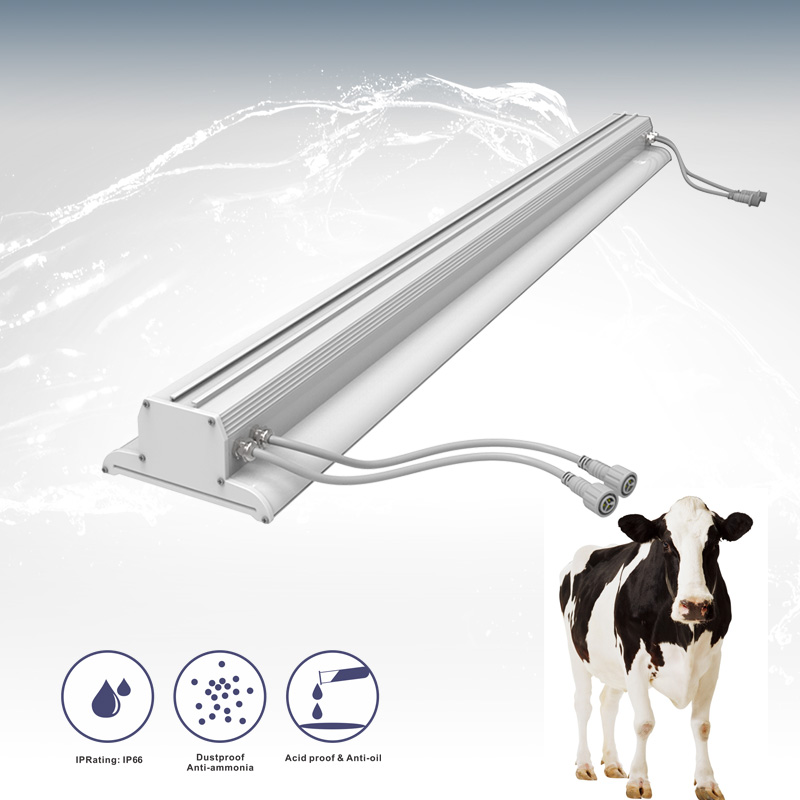
Here are three practical metrics I use to judge any system — and you should too. First, biological fit: does the spectrum and photoperiod align with cow physiology? Second, uniformity and control: are lux levels consistent, and do LED drivers and power converters provide stable output? Third, interoperability and maintenance: can sensors and controllers talk to farm systems, and are spare parts accessible? Measure these, and you get real results — reduced stress, steadier yields, lower energy bills. If you want a starting point, compare actual barn lux maps and animal behavior logs rather than trusting a single watt or lumen claim. I’ve learned this the hard way; empirical checks beat promises every time. For tools and curated options, check out szAMB.
Keep reading
 Garden
Garden Oasis: Practical Tips for a Healthy, Low-Muss, Water-Wise Backyard Pond
 Home
Home
Creating a Harmonious Outdoor-Indoor Space: Practical Home Improvement for Gardening, Interior Touches, and Décor
 Real Estate