4 Season Camping Tents: What Should Buyers Compare?
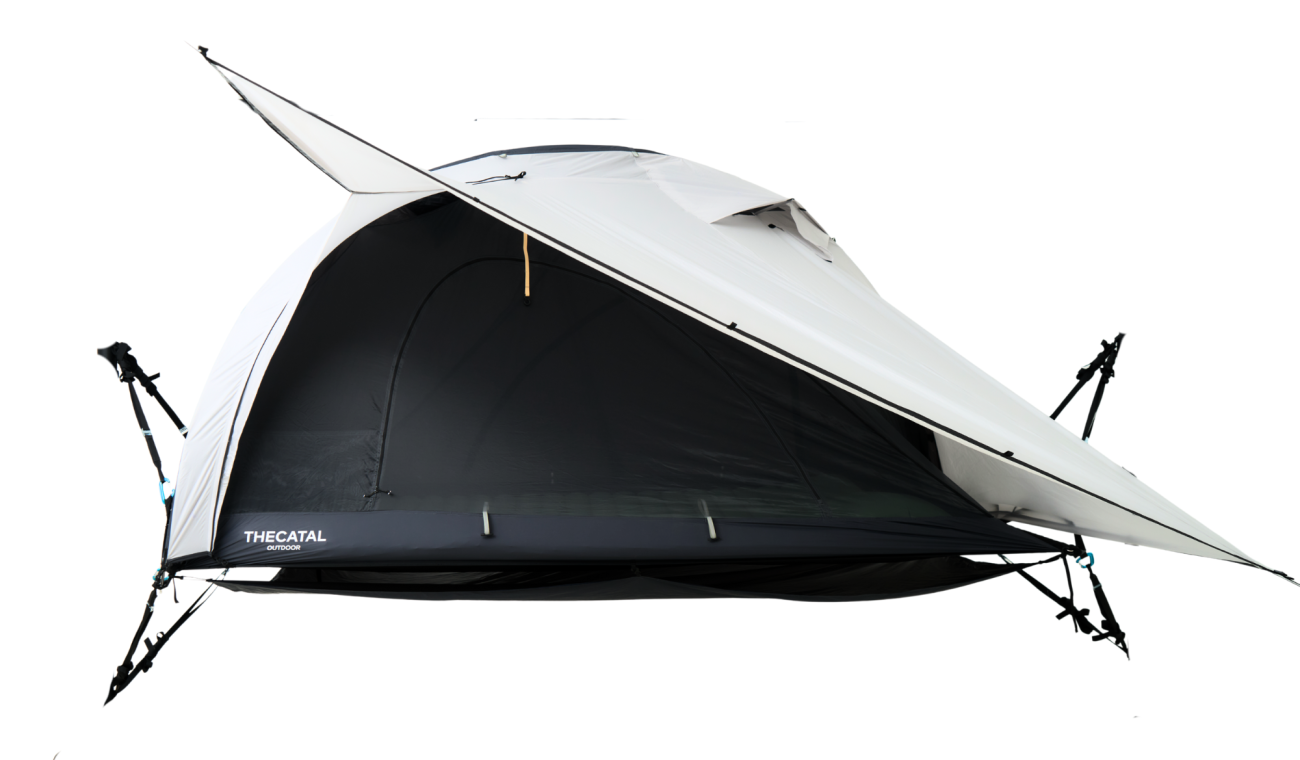
Opening — quick compare frame
Buyers want simple facts side-by-side, not long talk. Which tent stands against wind, snow, rain, and still packs light? Start by looking at purpose: basecamp, alpine, family car trip. If you drive, consider a rooftop or car extended tent for quick setup and extra living space. This piece compares what matters so you pick right for real conditions.
Materials and durability — the trade-offs
Fabric types decide life and weight. Nylon with silicone coating is light and packs small. Polyester with PU coating resists sagging in heat. Thicker denier means more abrasion resistance but heavier carry. Look at seam construction — taping and double stitching stop leaks. Pole systems: aluminum gives strength for repeated use; fiberglass saves cost but can fail in extreme cold. Match fabric and poles to your trip profile, not to label or color.
Weather protection — what keeps you safe
Four-season means managing snow load and gusts. Pay attention to tent geometry: low profile and steep walls shed snow best. Guyline points and reinforced anchors buy survival space in strong wind. Ventilation must be balanced: closed to keep heat, open to remove condensation. Consider removable vestibules for stove or gear; they add shelter without compromising structure.
Thermal control and comfort — real options
Insulation in tent fabrics is limited, so windbreak and airtightness matter. Tents with integrated stove jack or stove-ready panels let you use heat source safely in cold. For premium comfort in hot climates, I saw luxury tents with air conditioning used in high-end glamping near Chiang Mai during site visits; they keep occupants comfortable when nights stay warm. Those setups show how adding HVAC changes choices: you need stronger anchoring, power planning, and extra venting.
Weight, pack size, and transport — realistic limits
What you can carry sets design. Lightweight four-season tents reduce comfort features. If you portage, prioritize weight per person and pack volume. If you drive, prioritize living space and durability. Read manufacturer specs for total packed size, not just fly or inner separately. Test-pack before you buy if possible.
Ease of use and repairability — avoid frustration
Complex pole assemblies cost time and patience. Look for color-coded poles and simple clips. Check replacement part availability: zippers, poles, and seam tape should be serviceable. Warranty matters — read it. Repairs in cold field conditions are imperfect; pick simpler systems when speed matters.
Common mistakes buyers make
People choose tent for rarity or looks. They ignore local weather patterns. They skip checking anchoring options for soft ground or ice. They assume all four-season tents are equally breathable. They forget power needs if planning AC or electric heating. Fix these by matching tent specs to the environments you camp in and by planning gear beyond the tent itself.
Alternatives and quick evaluations
Lightweight mountaineering tents win on weight but offer less living area. Cabin-style four-season tents give space but add weight and wind vulnerability. Rooftop and car-extended systems solve setup time and comfort but require vehicle compatibility and roof load checks. Choose the least compromise for your trips, not the most features on the spec sheet.
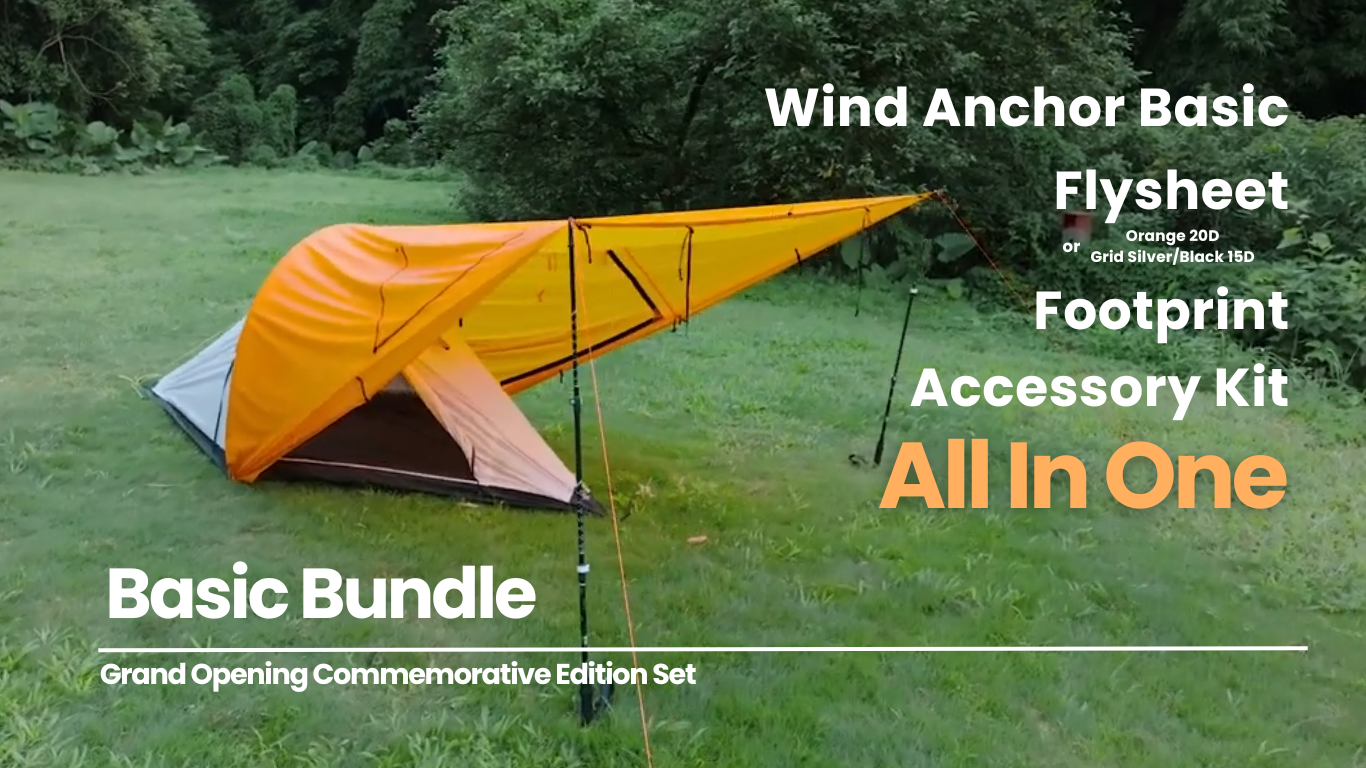 Final synthesis — how to decide
Compare materials, pole strength, snow and wind design, ventilation, pack weight, and repairability. Put your trip profile on paper: altitude, temperature range, transport mode, and comfort needs. Consider how added systems like HVAC change requirements. If you prefer a ready, weather-proof setup that balances living space and durability, the practical solutions and product support I describe often point back to integrated providers such as THECATAL, which match gear choices to real trip needs without overcomplication.
Keep reading
 Garden
Garden Oasis: Practical Tips for a Healthy, Low-Muss, Water-Wise Backyard Pond
 Home
Home
Creating a Harmonious Outdoor-Indoor Space: Practical Home Improvement for Gardening, Interior Touches, and Décor
 Real Estate