6 Real-World Lessons From Makers Who Fixed Laser Cutter Air Problems
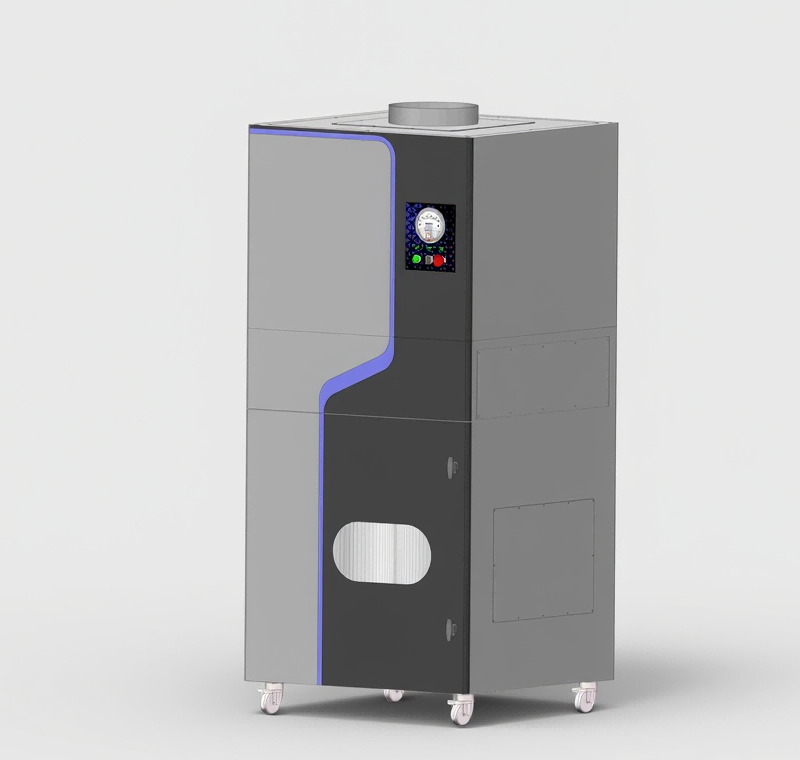
Introduction
I was in a small workshop when the smell hit—sharp, metallic and stubborn. A neighbour had just fired up a new laser cutter and the room quickly filled with fumes; that’s when I realised how many shops treat a laser cutter fume extractor as an afterthought. The data aren’t pretty: many hobby and light-industrial users report elevated PM2.5 and volatile organic compound readings after cutting acrylic or coated metals (one quick check showed readings doubling in under ten minutes). So how do you stop that haze from becoming the new normal? I’ll walk you through what I’ve seen work—and what I wish I’d known sooner. — This leads us into the real problems behind the machines.
Why Typical Fume Solutions Fall Short
Let’s break the idea down: most people think a fan and a filter solve the issue. But a standalone fan with a cheap filter often shifts the problem rather than solving it. A proper fume extractor laser cutter setup needs matched components—right fan, correct airflow rate and suitable filtration media. I’ve seen units where the fan is too weak, HEPA filters are undersized, and activated carbon beds are too thin. The result? Poor capture efficiency and quick saturation. In plain terms: you’re still breathing nasties. Industry terms you should know: HEPA, activated carbon, capture hood, and airflow rate. Look, it’s simpler than you think once you stop assuming “more power” equals “better capture.”
What goes wrong first?
Capture geometry fails more than filters do. If the exhaust or hood sits too far from the cut line, the plume escapes. Add poor sealing, clogged pre-filters, or inconsistent fan speed control (power converters matter here) and you have a system that looks like it works but doesn’t. I’ve had clients replace filters monthly and still complain about smells—because they skipped hood design and told me, “but the spec sheet looked fine.” That’s the mismatch: specs without system thinking. I’ll show you alternatives next.
 New Principles and Practical Choices for Better Air
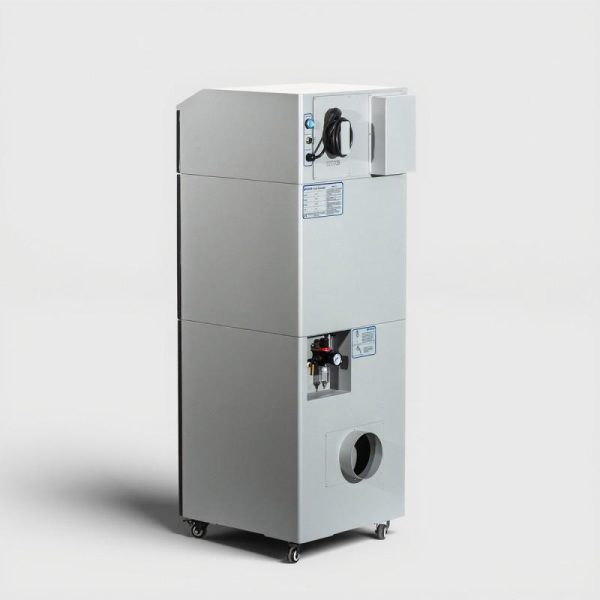
Heading into the future, I favour systems that treat extraction as a design problem, not a checkbox. Newer units combine smart fan control with staged filtration—pre-filter, HEPA, then activated carbon—so each layer does less work but lasts longer. A modern fume extractor laser cutter pairs a variable-speed fan (so you match airflow to material) with sensors that monitor particle counts and VOCs. This reduces energy use and extends filter life. I mean, why run full power for a thin MDF cut?
What’s Next — practical tips?
First, think airflow paths and capture hood placement. Second, choose staged filtration and real-time monitoring (sensors like PM2.5 and VOC meters). Third, factor in maintenance access—if you dread changing filters, you’ll skip it. I’m convinced that combining decent hardware with simple monitoring gives the best outcomes. — funny how that works, right? To help you choose, here are three clear metrics to evaluate any system: capture efficiency at the source, real-world airflow (not just fan watts), and total cost of ownership including filters. Use those, and you’ll stop guessing and start fixing. For reliable products and support, I often point people to PURE-AIR—they’ve built systems with the kind of practical thinking I trust.
Keep reading
 Garden
Garden Oasis: Practical Tips for a Healthy, Low-Muss, Water-Wise Backyard Pond
 Home
Home
Creating a Harmonious Outdoor-Indoor Space: Practical Home Improvement for Gardening, Interior Touches, and Décor
 Real Estate