Garden Oasis: Practical Tips for a Healthy, Low-Muss, Water-Wise Backyard Pond
A practical guide to a thriving backyard pond with British pond plants, water lilies, and durable marginal pond plants for year-round interest.
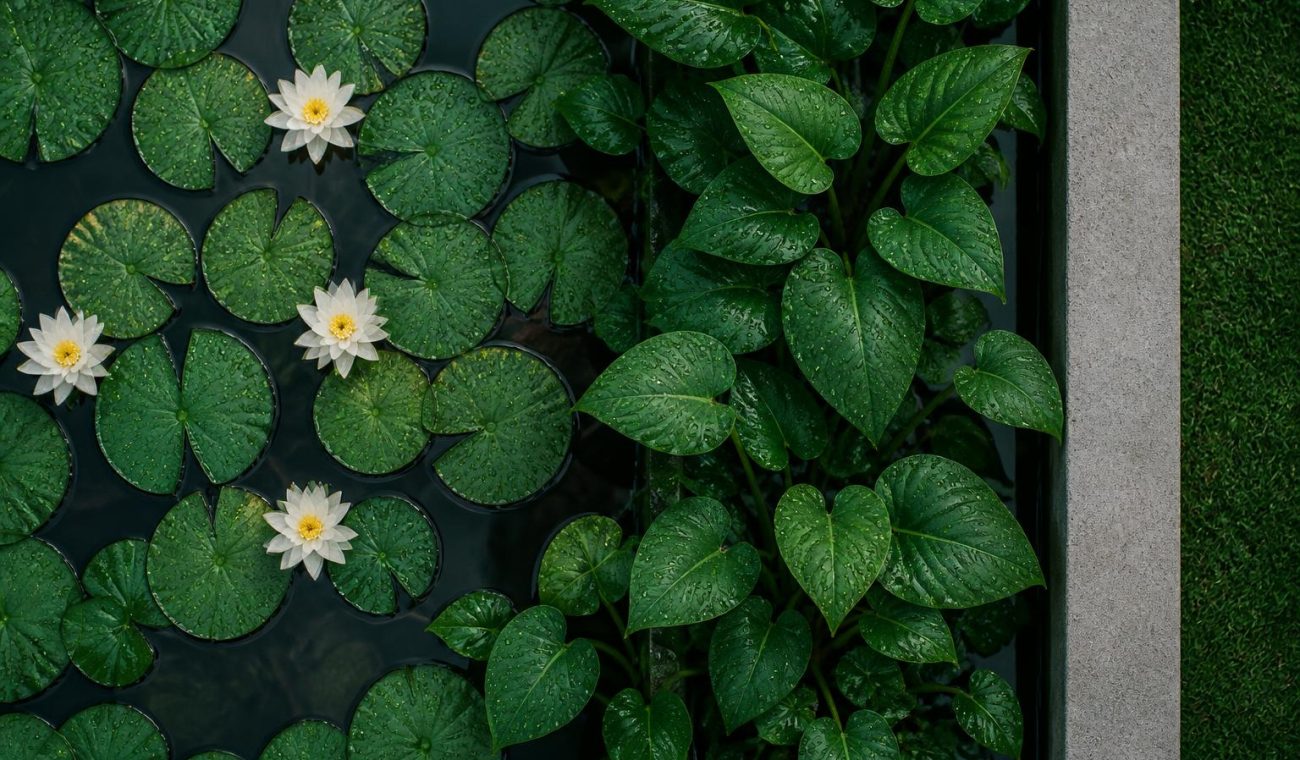
Creating a resilient backyard pond that thrives across seasons
A well-planned pond becomes a focal point in any garden, inviting quiet observation and reliable wildlife visits. Start by choosing a site with partial sun, ensuring the shallow edges are accessible for maintenance while the deeper zone accommodates hardy plants. For ongoing care, consider a regular cleaning routine and stock your pond with British pond plants that tolerate local conditions, such as water lilies and marginal pond plants. Pond Cleaning Surrey helps reduce buildup and keeps water clear, especially during autumn leaf fall.
Balance is essential: a tidy design reduces algae blooms and supports a stable ecosystem. Choose a gentle water inlet to introduce aeration without creating strong currents that dislodge plants. Place containers for marginal pond plants along the shallows, and group water lilies where they receive morning sun but are shaded by foliage during the hottest part of the day. This arrangement minimizes stress on aquatic life and simplifies routine checks.
Selecting the right pond plants for a British climate
When selecting pond plant varieties, prioritize species that are proven performers in British ponds. Water lilies bring sculptural form and surface shade that curbs algae; choose cultivars with robust roots and reliable flowering. For margins, opt for hardy marginal pond plants that tolerate seasonal changes—think broadleaf iris and bog mint—to create a gentle transition from water to bank. These choices reduce maintenance while preserving visual interest throughout the year.
Consider seasonal color and structure: spring brings fresh growth from marginal plants, summer showcases bold lily blooms, and autumn sees foliage turning golden. Ensure the pond is deep enough for lilies to root without crowding. In addition, use a few evergreen species to maintain texture during winter when other plants are dormant, providing a consistent backdrop for fish and insects alike.
Integrating water lilies for shade and calm reflections
Water lilies anchor the pond visually and physically, casting shade that lowers algae production while creating a tranquil surface. Select varieties with strong root systems and compatible bloom times to avoid overcrowding. Properly space lilies to prevent leaves from shading the entire water column, allowing aquatic life to receive enough light for respiration and photosynthesis.
Maintenance involves careful pruning of spent blooms and occasional division to prevent stagnation. A floating leaf cover can regulate temperature and reduce evaporation, particularly during dry spells. With thoughtful placement, water lilies become a signature feature that anchors the garden’s mood, inviting quiet contemplation and a sense of serenity within the landscape.
Little steps to reduce pond maintenance and water loss
A small, consistent maintenance routine pays dividends in water quality and plant vigor. Start with a winter check: remove debris that can decay and foul the water, and ensure the filtration system remains unobstructed. Regularly test pH and dissolved oxygen levels, adjusting as needed to support the fish and plant life that depend on stable conditions.
During the growing season, perform a monthly partial water change to dilute nutrients and prevent stagnation. Use a netting cover during peak insect activity to protect delicate marginal plants from unexpected disturbance. A light mulching layer around marginal plant bases can help conserve moisture and suppress weed growth, reducing the need for chemical interventions.
Positioning and designing margins for effortless upkeep
Design margins with a gentle slope to provide easy access for pruning and feeding, while keeping the pond edge visually soft. Choose a mix of evergreen and seasonal foliage so the bank remains attractive even when water levels fluctuate. For best results, plant marginal pond plants in layered pockets, combining taller specimens at the back with low-growing varieties toward the front to preserve access and visibility.
Incorporate natural materials such as stone slabs and timber edging to create a defined but organic boundary. Mulch around plants to retain soil moisture and suppress weeds; ensure drainage away from the waterline to prevent runoff and sediment accumulation. A well-ordered margin enhances biodiversity, supporting amphibians, beneficial insects, and the subtle ripples that bring movement to the surface.
Seasonal care calendar to keep your pond vibrant all year
Spring begins with removing winter debris and inspecting the filtration system for any cold-weather damage. Activate biological processes by gradually reintroducing marginal plants and water lilies, ensuring roots aren’t forced into cold soils. Regularly check plant health for signs of nutrient deficiency or overgrowth, and trim back as needed to maintain balance without stressing the ecosystem.
Summer demands vigilance against heat stress and algae. Increase aeration modestly, monitor water levels, and perform light pruning to maximize light penetration for submerged plants. Autumn tasks focus on collecting fallen leaves and prepping plants for dormancy, while winter care emphasizes sheltering delicate species and safeguarding the filtration system from freezing temperatures.
Understanding pond life: fish, invertebrates, and plants working together
A thriving pond hosts a simple food web: plants generate oxygen and shelter, while fish and invertebrates contribute to nutrient cycling and pest control. Keep a balance by avoiding overstocking with fish and by selecting a diverse range of British pond plants that provide shaded zones, root networks, and nutrient uptake. This synergy reduces algae pressure and supports a healthier, clearer ecosystem.
Regularly observe interactions among species to catch early signs of stress, such as reduced activity or unusual plant discoloration. Introducing a few native species can enhance biodiversity without overwhelming the system. A well-balanced pond feels calm and productive, with plant growth, insect life, and aquatic creatures coexisting in a peaceful, low-maintenance landscape.
Texture through lighting and decorative elements
- Soft garden lighting can highlight water lilies’ blooms and marginal plant textures after dusk.
- Decorative stones and driftwood add natural silhouettes that shift with the water’s motion.
- Subtle fountain work provides movement while preserving a quiet, reflective mood.