Smart Gardening and Home Improvement: Practical Interior and Exterior Ways to Elevate Your Space
Practical, concrete tips for blending interior comfort with garden-inspired decor and home improvement ideas that boost curb appeal and daily enjoyment.
Foundations for a Garden-Infused Home
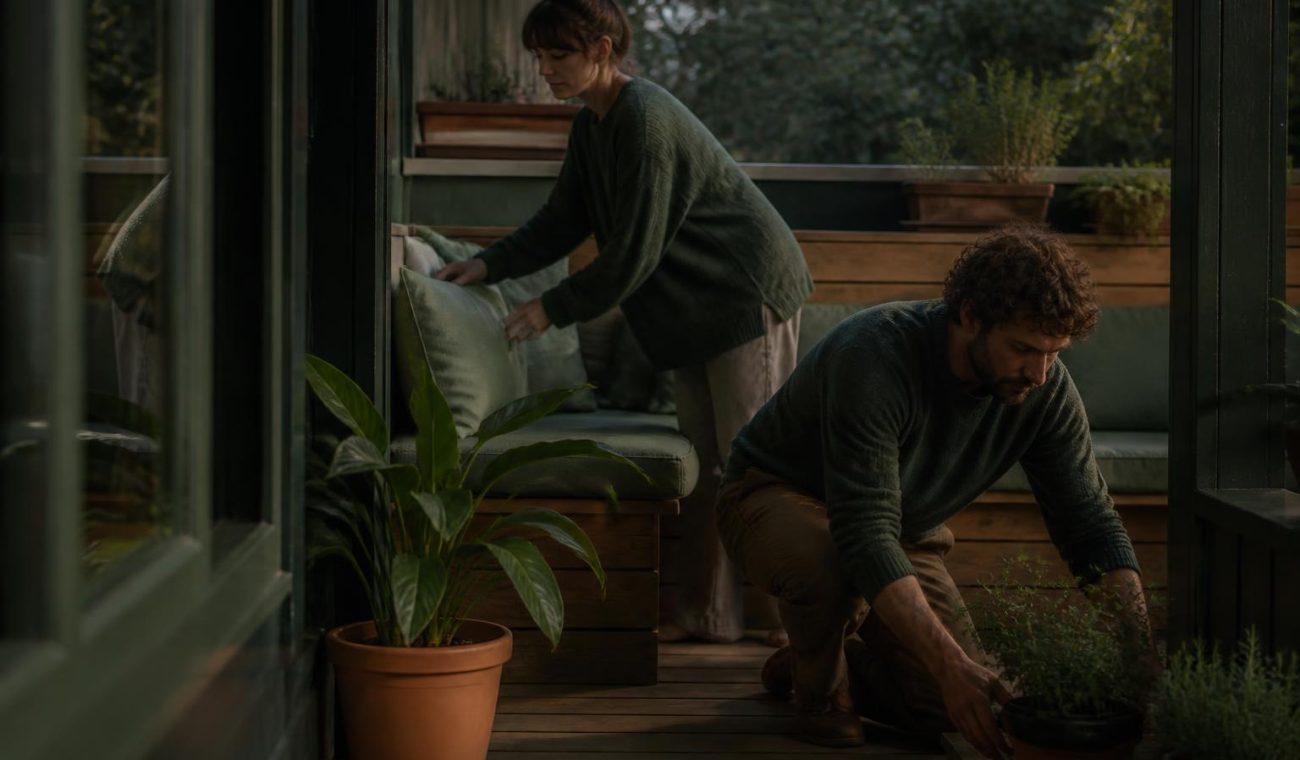
When planning a home improvement project that brings the outdoors inside, start with a clear idea of how you want each space to feel. Consider daylight, traffic flow, and the needs of residents from different ages. Use durable finishes in interior areas that echo garden textures, like linen textiles and natural wood tones, to create a cohesive mood that extends beyond furniture. laser scanning equipment can help map rooms precisely for layout accuracy and ensure that design elements align with structural realities. This approach keeps projects grounded in practicality while expanding aesthetic possibilities.
Begin by surveying your current layout, noting where clutter accumulates and where light enters most effectively. A solid plan reduces waste and accelerates execution, both essential for successful home improvement. In this stage, draw on gardening principles—use plant-friendly zones, consider vertical space, and plan for seasonal color changes. The result is a home that feels intentional, with interior touches that reference nature without overwhelming the living spaces.
Gardening-Inspired Decor that Feels Sustainable
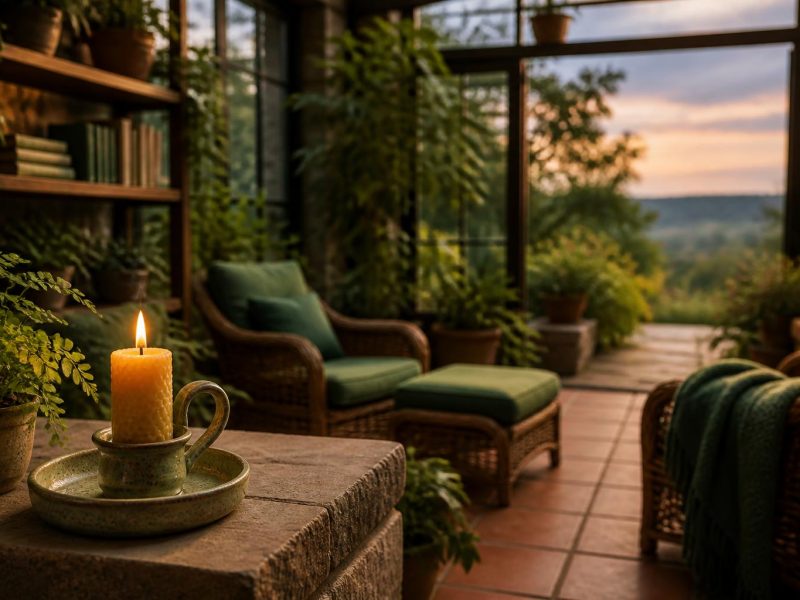
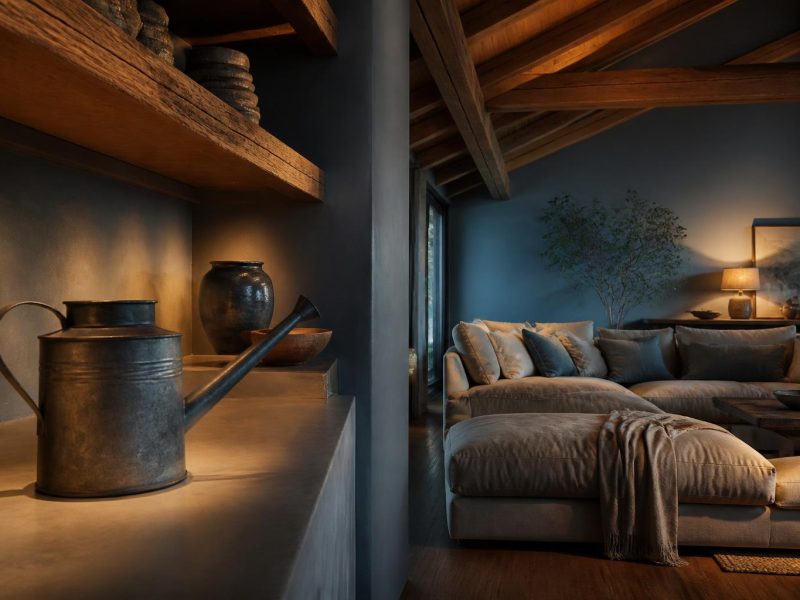
Decor can echo the garden without becoming literal replicas of outdoors. Choose decor pieces that mimic natural textures: rattan baskets, stoneware vases, and matte ceramic planters. Pair these with organic color palettes—sage greens, warm terracotta, and muted blues—to evoke a garden ambiance inside living rooms and dining areas. Regularly rotating a few focal plants prevents color fatigue and keeps interiors feeling fresh and alive in line with evolving gardener aesthetics.
Incorporate greenery in steady, practical ways that suit indoor life. Use low-maintenance species like snake plants, pothos, and ZZ plants placed in grouped arrangements to create micro-ecosystems that improve indoor air quality. Layer light sources with warm-toned bulbs to highlight textures and plant outlines, transforming a simple room into a cozy, garden-inspired sanctuary that supports daily activities and restful evenings.
Interior Sweet Spots: Reading Nooks and Quiet Corners
Design quiet zones where natural light and soft textures dominate. A corner chair with a wool throw, a small side table for books, and a window view of a balcony garden gives a retreat for reading or reflection. Use acoustic-friendly materials like cork mats and fabric panels to minimize echo while preserving warmth. These spaces become practical anchors in daily life, promoting relaxation and focus within a well-appointed interior framework.
Furnishings should be chosen with durability and comfort in mind. Opt for slipcovered upholstery that can be washed easily, and select storage that hides away clutter while still feeling decorative. Plants arranged at shelf height add life without crowding the area, creating a serene interior that resonates with both gardeners and interior enthusiasts alike.
Outdoor Rooms: Extending Living Space with Terraces
Outdoor rooms can mimic indoor comfort by combining weather-resistant furniture, soft textiles, and durable lighting. A teak dining set, a weatherproof rug, and a few lanterns create an inviting area for meals and conversation. Integrating planters and a vertical herb wall helps keep fresh ingredients close at hand for cooking, reinforcing the connection between gardening and daily living while extending the usable square footage of the home.
Consider shade strategies that maintain comfort during hot months, such as pergolas, shade sails, or tall trees strategically placed for year-round sun control. Water features, even small ones, add a tranquil soundscape and can aid with humidity balance. This approach elevates the exterior from mere function to a hospitable space that supports gatherings and quiet moments alike.
Smart Tools for Efficiency in Home and Garden
Invest in reliable, multi-use tools that streamline both interior and exterior projects. A cordless drill, a compact saw, and weatherproof sealants enable efficient upgrades and repairs without overhauling whole rooms. Use smart irrigation controllers and rain barrels to reduce waste while maintaining healthy plantings, aligning gardening effort with responsible sustainability practices that suit modern home improvement mindsets.
Digital planning aids, such as garden apps and project-management software, help coordinate timelines with contractors, suppliers, and family members. Pair these tools with a simple 2-3 year maintenance plan to keep both interior systems and outdoor spaces functioning smoothly. The result is fewer unexpected costs and a steadier path toward a refined, resilient home environment.
Plants as Structural Partners: Framing Your Spaces
Plants can act as architectural elements, shaping room perception and softening hard lines. A tall, sculptural indoor tree near an entryway can guide flow while providing a sense of scale. Group plants by similar light needs and maintain a consistent pot style to unify the arrangement. This intentional greenery threading makes interior areas feel more balanced and connected to the garden without overpowering the design.
Layer textures with plant-related materials like wood, terra cotta, and woven fabrics to reinforce a cohesive look. Add a few botanical prints or a nature-inspired mural to reference the outdoors. The goal is a space where greenery enhances mood, wellness, and aesthetics, rather than serving as a mere backdrop.
Maintenance Mindset: Simple Routines that Save Time
Develop small, repeatable routines to keep both interior spaces and the garden in good shape. A weekly tidy with a targeted dusting of console surfaces, followed by a quick wipe-down of high-use areas, reduces buildup and supports a calmer atmosphere. In the garden, consistent pruning and mulching protect plant health and ensure seasonal blooms, turning maintenance into a sustainable habit rather than a chore.
Label and inventory tools, supplies, and plants to minimize misplacement and duplicate purchases. Create a rotating plant schedule that staggers water and feeding cycles to avoid overwatering or nutrient imbalances. With predictability, home improvement projects become easier to manage, and the indoor garden maintains vitality with minimal daily effort.
Texture and Focus in Two Sections
- Section 3 texture: Add a woven wall hanging and a ceramic pot collection for depth.
- Section 6 texture: Introduce a wood-tone room divider and a linen curtain to soften lines.