What Nobody Mentions About Red Light Therapy Manufacturers — A Comparative Look
Introduction: A clinic, a circuit board and a question
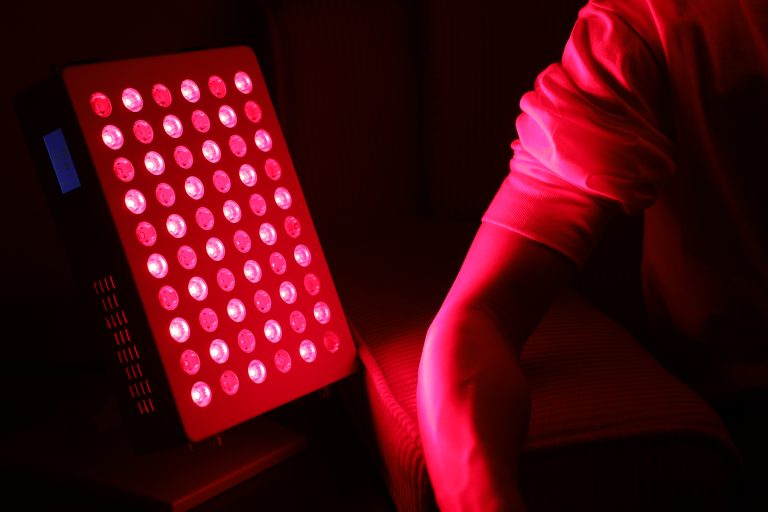
I remember sitting in a small clinic in Melbourne while a therapist adjusted a panel of LEDs over my shoulder — the glow was oddly comforting. The kit came from a local red light therapy manufacturer, and the rep told us their devices had a 40% faster recovery time in studies (that number stuck with me). So here's the simple nagging question: are we choosing the right makers, or just the flashiest boxes? (No drama — just a bit of curiosity.)
What follows is a down-to-earth comparison to help you spot the real differences between suppliers: build quality, component choices like LED drivers and power converters, and the real-world output — irradiance and wavelengths that actually matter for therapy. I’ll pull on what I’ve seen, the odd test result, and a few hard lessons. Let’s go deeper — and then decide what matters most.
Where the usual advice falls short (the deeper layer)
led light therapy manufacturers get praised for specs on glossy sheets, but many skip the inconvenient bits: inconsistent irradiance over the treatment surface, weak thermal design, and sloppy LED binning that changes effective wavelength. I’ve seen units that looked top-tier yet delivered uneven light across the pad — patients noticed, clinicians murmured. Technical tests often reveal issues with the LED driver and power converters that cause flicker or drop in output under load. Look, it’s simpler than you think — a steady PSU and proper thermal path make a massive real-world difference.
Why does that matter?
Because therapy depends on repeatable dose. If the wavelengths shift or the irradiance varies across sessions, outcomes become noisy. Manufacturers still push advertised peak mW/cm² numbers without showing distribution maps, and that’s where users and clinics get misled. I’ll be blunt: some brands prioritise cost over consistent performance, which means you end up chasing results rather than delivering them. — funny how that works, right?
 Comparative outlook: new tech principles and practical selection
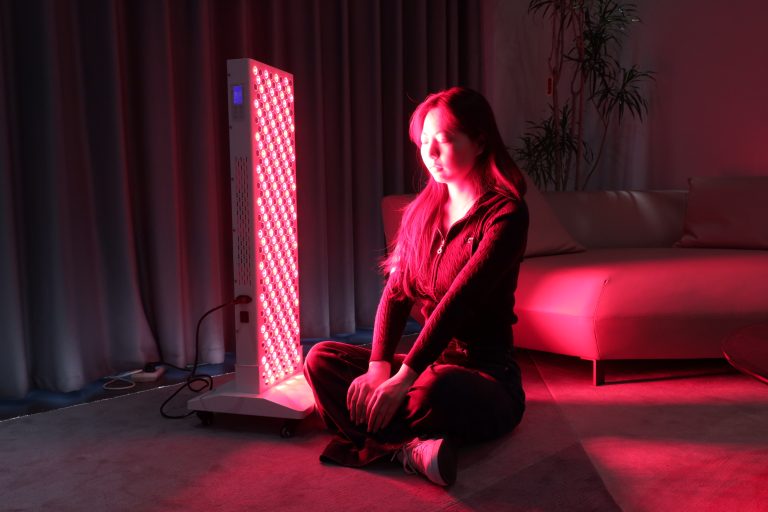
Looking forward, the smart edge is not just brighter LEDs but smarter systems. When I evaluate producers now, I check for measured beam uniformity, proper thermal management (heat sinks, PCB layout), and reliable power converters that maintain stable output. Newer panels integrate sensors that monitor temperature and irradiance in real time — small additions, big impact. Those features separate thoughtful manufacturers from the rest. Also, I always revisit the supply chain: are components traceable? Do they test every batch? These questions matter for both clinics and home users.
What’s Next for buyers?
For me, the future is in devices that report performance back to you — diagnostics, not just pretty LEDs. That means companies (including some led light therapy manufacturers) that invest in embedded sensing and better firmware will lead. Semi-formal note: you want a unit whose firmware throttles safely under thermal stress rather than one that just burns out faster. Manufacturers who think like engineers and clinicians — and less like marketers — will make the difference.
So, three quick metrics I now use to evaluate a supplier: measured uniform irradiance maps, verified wavelength bins, and validated thermal/power designs. Check those, and you’ll avoid the usual traps. Weigh them up, prioritise the use case — clinical or home — and don’t be dazzled by peak numbers alone. For straight-up reliability and sensible design, I recommend heading over to Magique Power to see how some of these principles are being applied in practice.
Keep reading
 Garden
Garden Oasis: Practical Tips for a Healthy, Low-Muss, Water-Wise Backyard Pond
 Home
Home
Creating a Harmonious Outdoor-Indoor Space: Practical Home Improvement for Gardening, Interior Touches, and Décor
 Real Estate